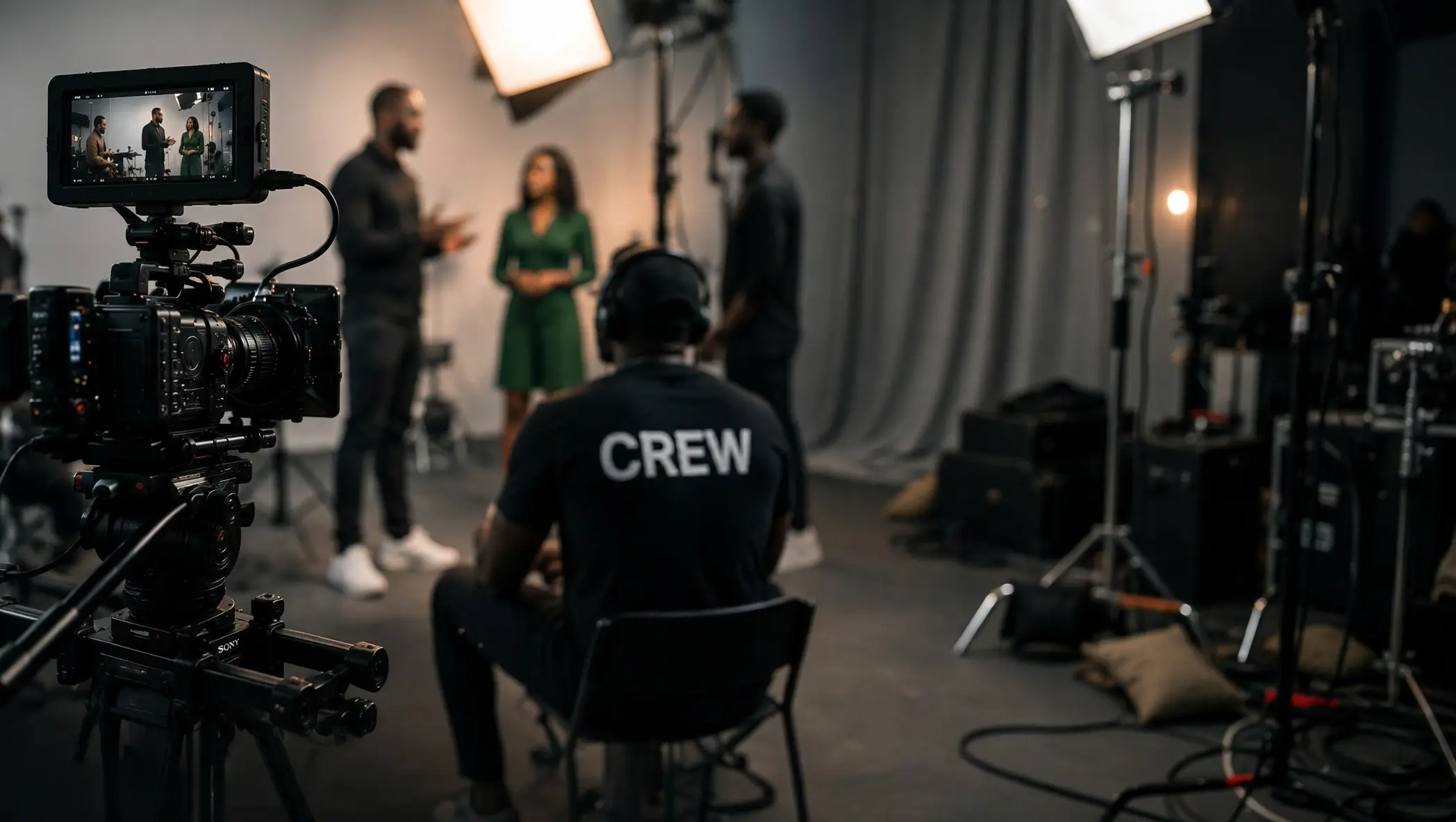
A corporate video shoot does not have to produce just one finished video.
With the right planning, a single production can generate a library of content that continues working for the business long after the main film has been delivered. The same shoot can provide material for a company website, social media, presentations, recruitment, internal communication, sales and future marketing campaigns.
The difference is rarely how much footage is captured. It is how intentionally the production is planned before the cameras start rolling.
Start With More Than One Final Video
One of the most common mistakes companies make is planning a shoot around a single deliverable.
For example, a company may commission a three-to-five-minute corporate profile film and approach the entire production with one question: What footage do we need for this video?
A better question should be: What content can we create from this production?
The main corporate film can tell the complete story of the organisation, while the same shoot can produce shorter pieces of content around specific aspects of the business.
An executive interview can provide material for several short videos. Footage of a manufacturing facility can support product content, recruitment communication and social media. Professional photographs captured during the production can later be used on the company's website, LinkedIn page, proposals and presentations.
The production therefore becomes more than the creation of one video. It becomes an opportunity to build a useful visual content library.
Plan the Interview for Repurposing
Executive interviews are often one of the most valuable elements of a corporate production, but they are frequently treated as material for only the main film.
Instead of asking an executive question solely for the corporate documentary or company profile, structure the conversation around different subjects that can stand independently.
The CEO might discuss how the company started, the problem the business solves, its approach to quality, changes within the industry, the company's values and its vision for the future.
The main film may use selected sections of those answers, while individual responses can later become short-form videos for LinkedIn, Instagram, YouTube or other communication channels.
This does not require bringing the executive back for another interview.
The content was already captured during the original production.
The important thing is to think about the interview not simply as a conversation for one film, but as a source of multiple pieces of communication.
Capture Supporting Footage with a Purpose
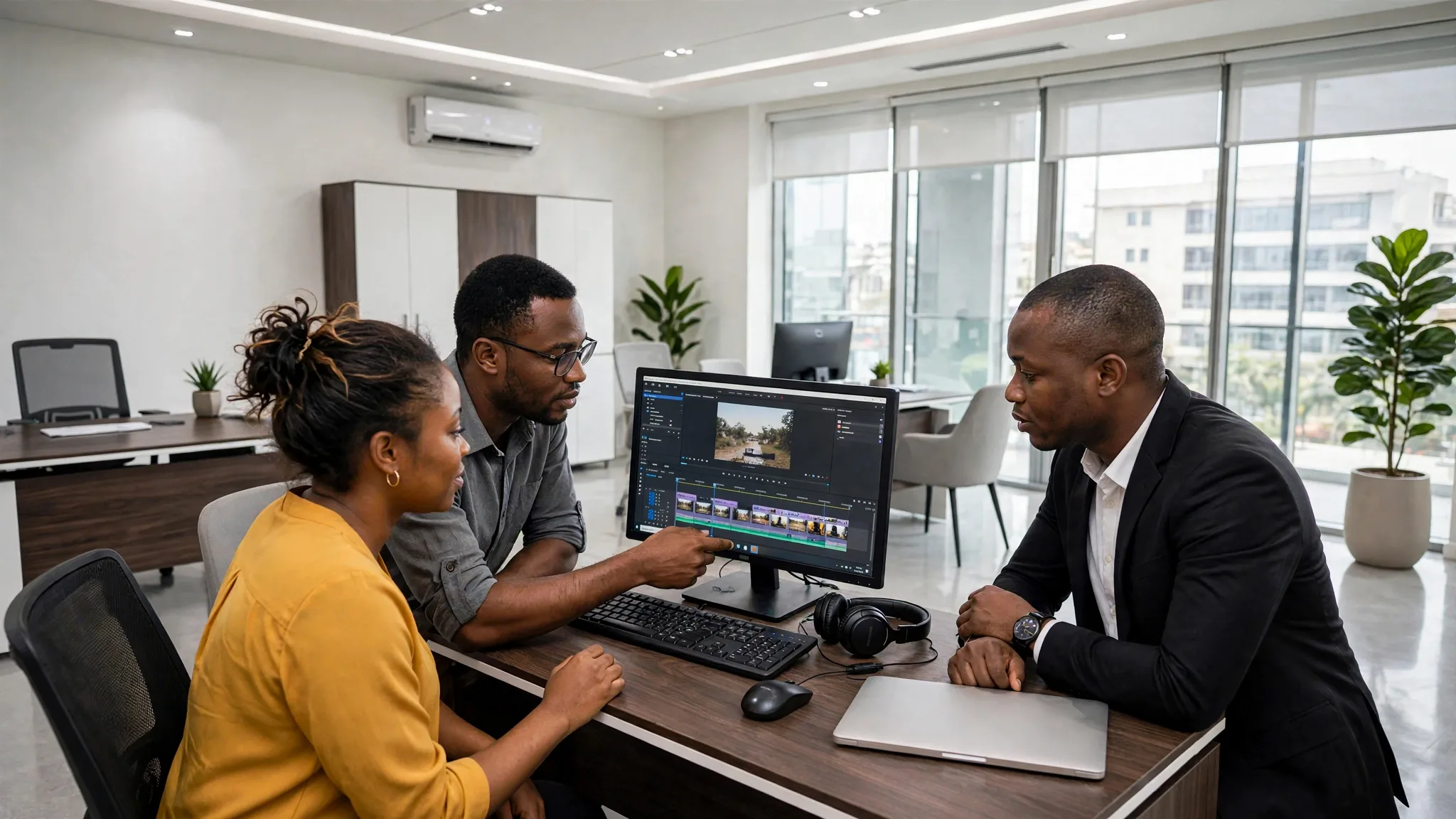
The main storyline may require specific shots, but a good corporate production should also capture supporting visuals that can be useful beyond the primary edit.
For a manufacturing company, this could mean filming production processes, machinery, employees at work, product details, packaging, quality control and warehouse activity.
For a professional services company, the production may focus more on meetings, team collaboration, client interactions, executives, technology and the working environment.
These images can later be used to support short videos, website content, presentations, recruitment campaigns and social media communication.
The objective is not to film everything simply because the camera is available.
It is to capture intentional footage that can serve more than one communication purpose.
Create Short-Form Content During the Same Production
The popularity of short-form video has changed the way corporate productions should be planned.
A company may need a polished three-minute corporate film, but that does not mean its entire content strategy should revolve around that one video.
The same production can generate shorter pieces focused on individual subjects.
A corporate film might explain who the company is and what it does. From the same production, a short video could explain one particular service, introduce the Managing Director, highlight a production process or answer a common customer question.
These pieces do not necessarily require additional production days.
They can be planned into the original shoot.
This is particularly valuable for companies that need to maintain a consistent online presence but do not want to organise a new production every few weeks.
Don't Overlook Photography
A professional video production can also be an opportunity to refresh a company's photography.
When executives, employees, products and facilities are already prepared for a production, there may be an opportunity to capture professional still images during the same engagement.
These photographs can become useful corporate assets for websites, LinkedIn, press releases, company profiles, proposals, presentations and recruitment materials.
Instead of organising a separate photography session shortly afterwards, the company can potentially address both needs within the same production schedule.
The important consideration is to plan this in advance so that the photography requirement does not interfere with the video production.
Decide What You Need Before the Shoot
Content repurposing works best when it begins during pre-production, not during editing.
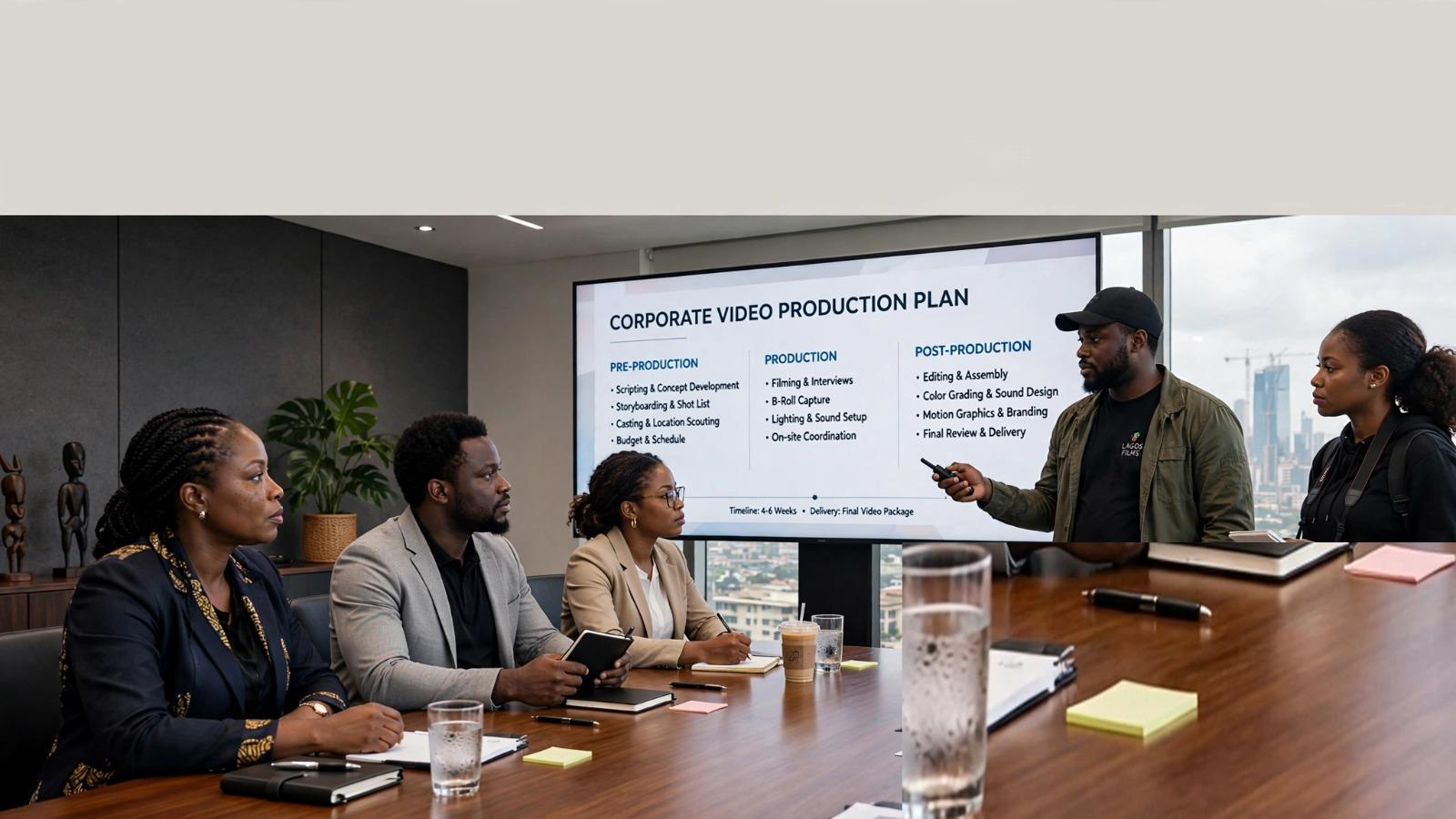
Before the production starts, the company and production team should establish what the main film needs to achieve and where the resulting content will be used.
Perhaps the company needs a corporate profile for its website, several executive clips for LinkedIn, product footage for marketing, photographs for its website and additional short-form videos for social media.
Knowing this before filming allows the production team to make better decisions about interviews, locations, framing, lighting, shot selection and schedule.
Without this planning, companies often finish the shoot with plenty of footage but discover during post-production that they do not have the right material for the additional content they wanted.
More footage does not automatically mean more usable content.
The right footage does.
Think About Different Formats
Another important consideration is where the content will eventually appear.
A corporate profile film will generally be produced in a horizontal format, while social platforms may require vertical versions. Website content may have different framing requirements again.
This should be considered during production rather than left entirely to the editor.
The solution is not necessarily to film every shot twice. In many cases, the production team can identify important shots that require additional framing or capture specific material that can work effectively in multiple formats.
A few additional minutes of thoughtful coverage during production can save considerable time during post-production.
The Content Can Continue Working After the Shoot
The real advantage of a well-planned corporate production is that the value does not end when the main video is delivered.
The finished corporate film may sit on the company's website for several years. Short interview clips can continue appearing on LinkedIn. Product footage can support future marketing campaigns. Photographs can become part of the company's corporate communications. Behind-the-scenes material can show the people and process behind the organisation.
A single production can therefore support communication across several departments and platforms.
This is why corporate video should not always be viewed simply as the cost of producing one finished film.
It can be an investment in a long-term visual communication library.
The Real Value Is in the Planning
Getting more content from one corporate video shoot does not mean filming for longer or collecting hours of unnecessary footage.
It means planning the production around the different ways the content will eventually be used.
Before the shoot, identify the main film, the short-form content, the interview clips, the photography requirements and the platforms that matter to the business.
Then structure the production to capture those assets efficiently within the same schedule.
A well-planned corporate shoot can turn one production day into weeks or even months of useful content.
At Criptonx Studios, we approach corporate video production with the wider communication objective in mind. From concept development and interview production to cinematography, production planning and post-production, we consider how the footage can serve the organisation beyond a single finished film.
So, when planning your next corporate video, don't only ask:
"What video do we want to make?"
Ask the bigger question:
"What else can we create from this production?"
That is where the real value of a corporate video shoot begins.