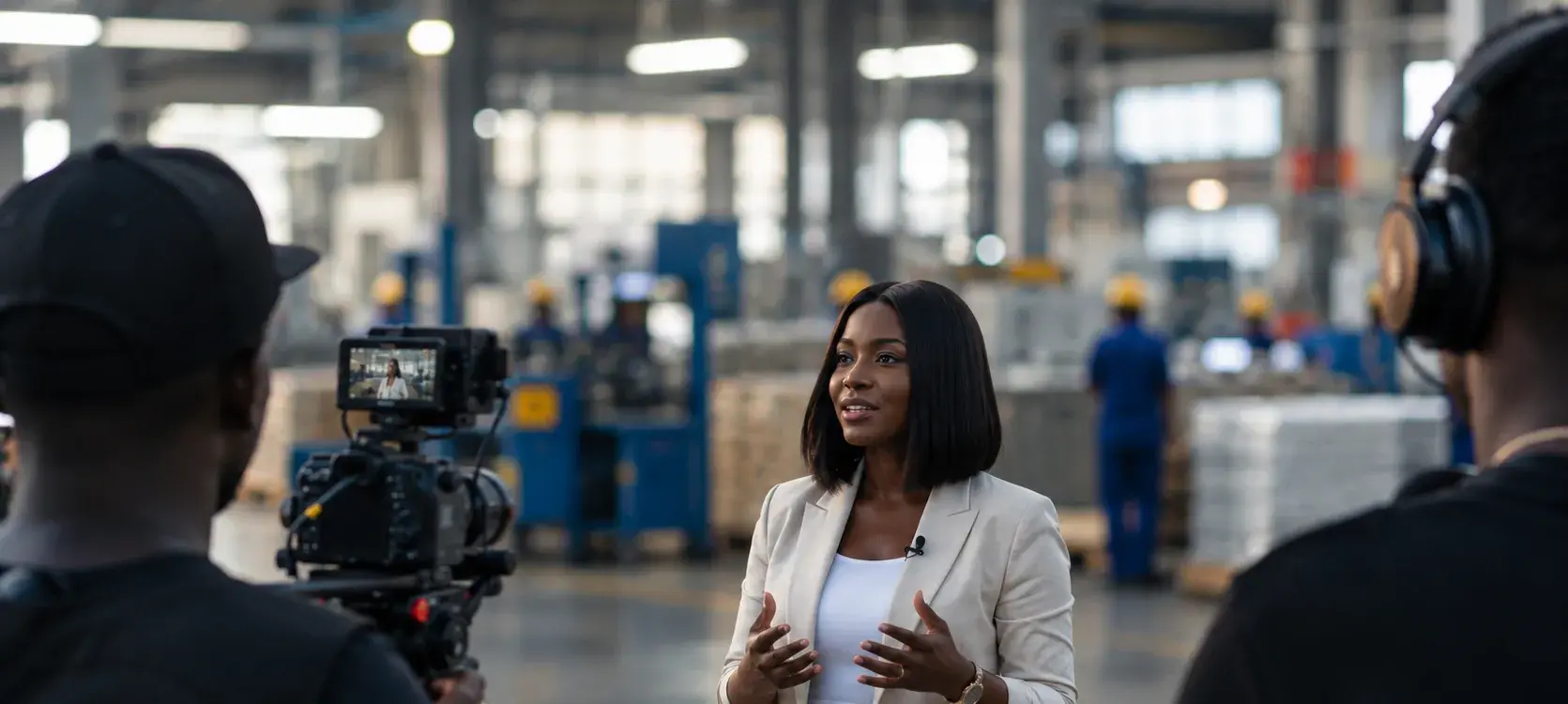
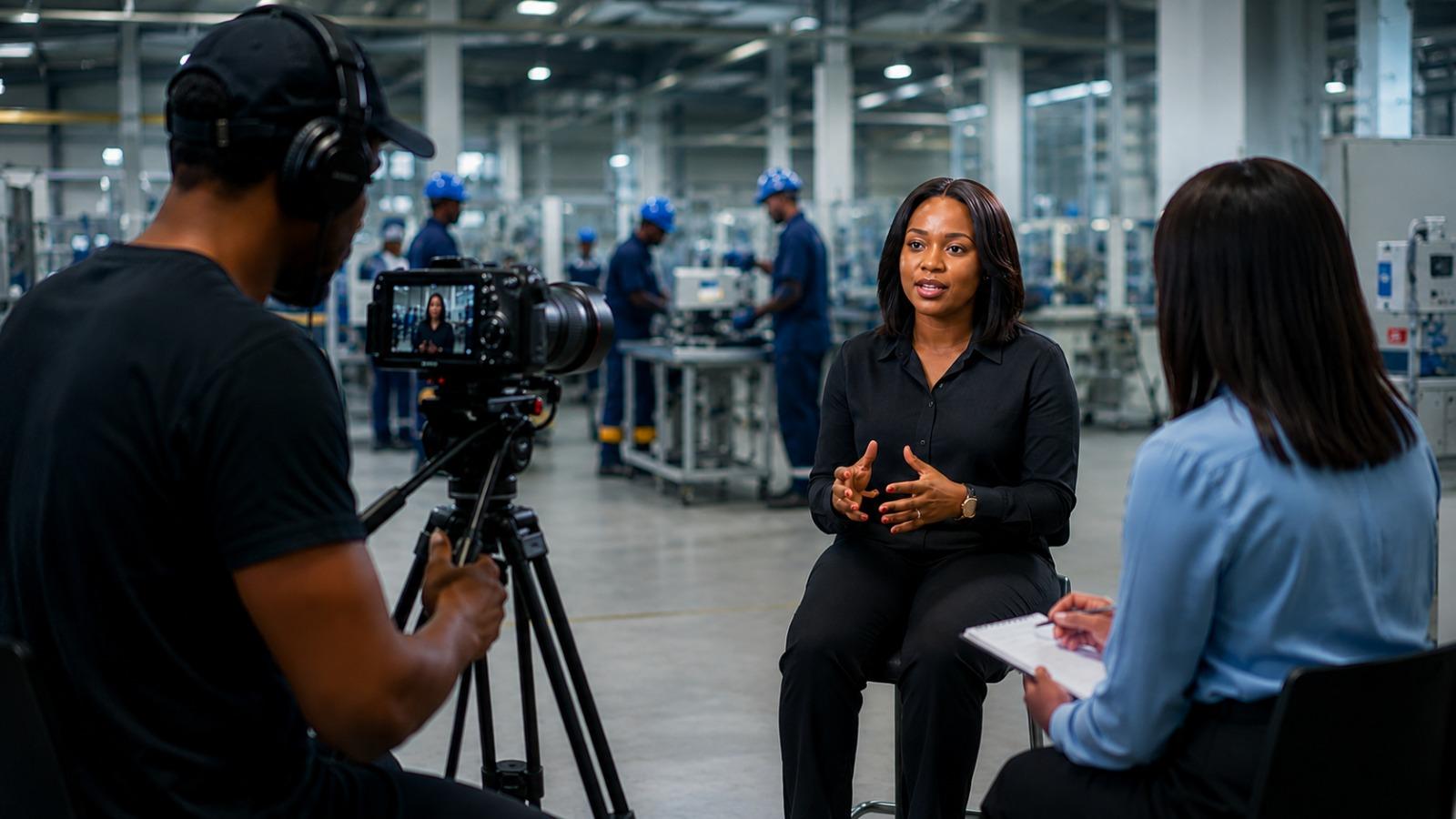
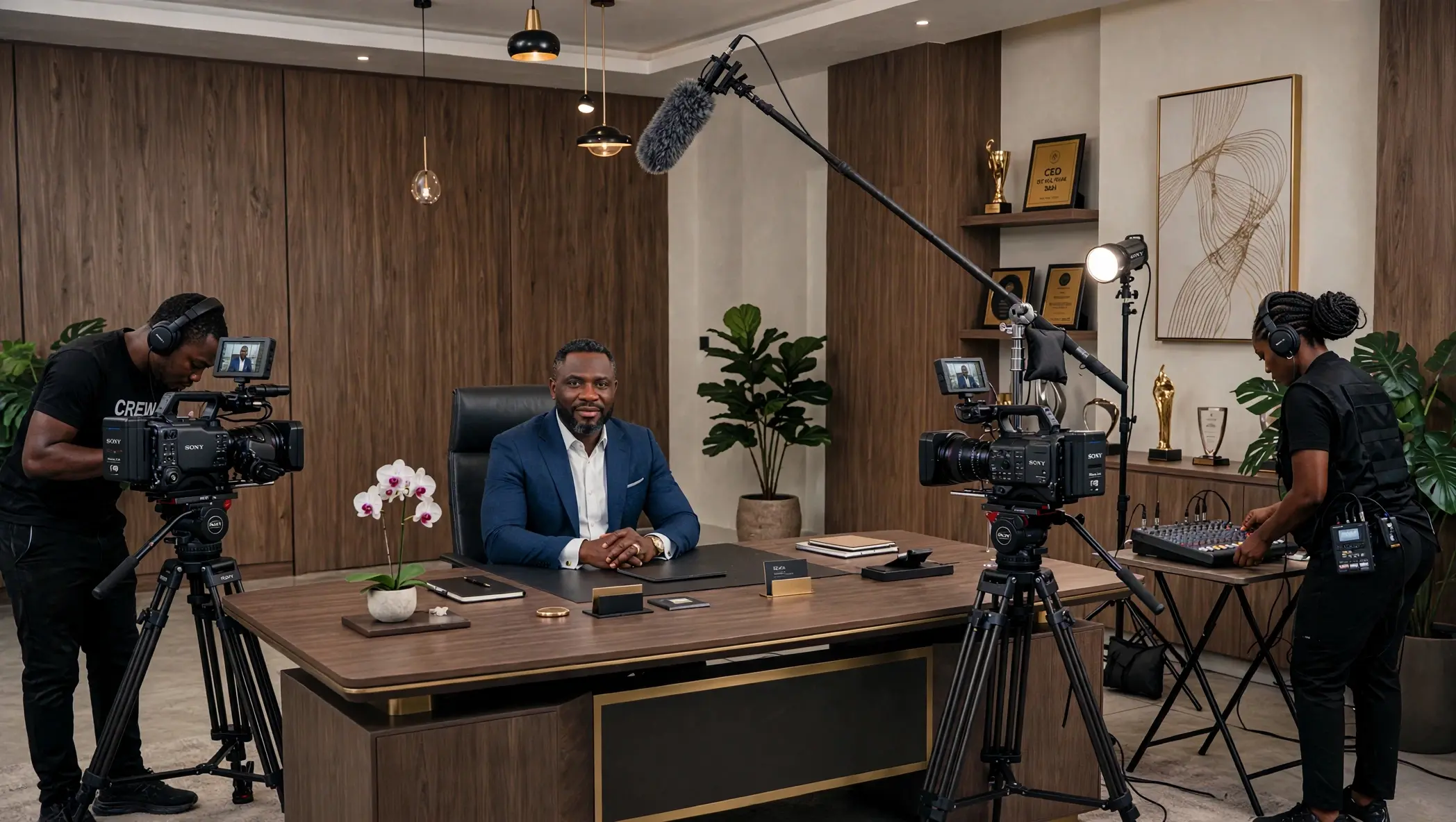
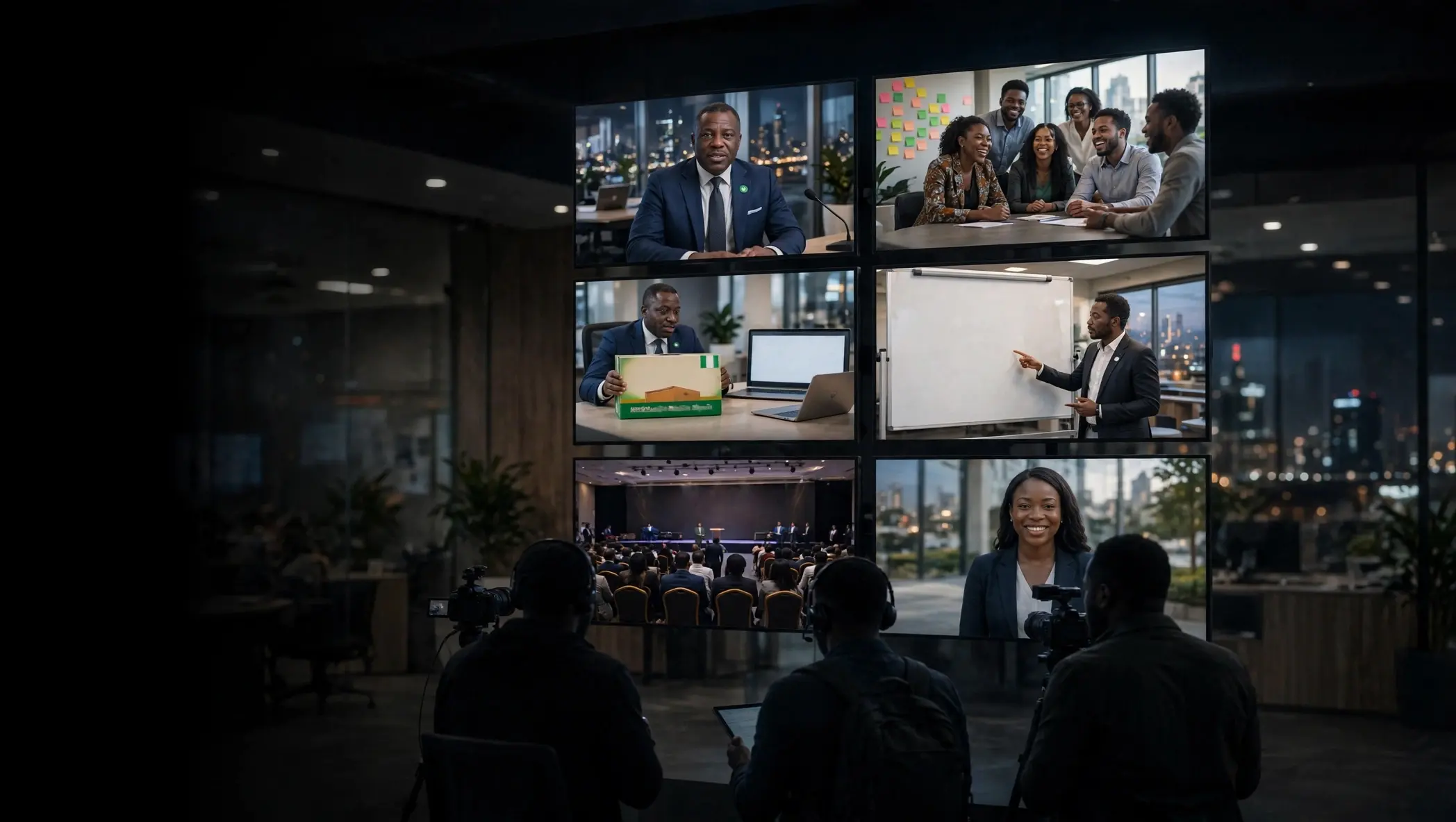
A corporate video can have beautiful cinematography, professional lighting, clear audio, impressive locations and polished editing — and still fail to communicate what the company wants its audience to understand.
This happens more often than many businesses realise.
The video looks professional. The production quality is obvious. Everyone involved may be satisfied with how it looks.
But after watching it, a potential client may still be asking:
What exactly does this company do?
Why should I care?
What makes them different?
Why should I trust them?
That is the difference between a video that is professionally produced and one that is professionally communicated.
For organizations investing in corporate video production, understanding this difference is important.
A Good-Looking Video Is Not Automatically a Good Corporate Video
Video production has become increasingly accessible.
Businesses can now produce high-resolution footage, use drones, create cinematic visuals and publish professionally edited content across multiple platforms.
But technical quality is only one part of the equation.
A corporate video exists for a reason.
It may be intended to introduce a company to potential clients, explain its capabilities, present leadership, support investor communication, strengthen its reputation, document an important milestone or help an organization communicate internally.
Whatever the objective, the production quality should support that purpose.
A beautifully filmed factory does not automatically explain why the company's manufacturing capabilities matter.
A perfectly lit CEO interview does not automatically make the company's message convincing.
Aerial footage of a large facility does not automatically communicate scale, expertise or credibility.
The visuals are important, but they need to contribute to a larger message. That is where many corporate videos fall short.
The Problem Often Starts Before the Camera Comes Out
The biggest communication problems in a corporate video are often created during pre-production.
If production begins without a clear understanding of the company's objective, audience and central message, the filming process can become focused on collecting attractive footage rather than building a meaningful story.
The team may record the CEO, the office, the factory, employees at work, products, meetings and drone footage.
All these elements may look good individually.
But when they are assembled in the edit, there may be no clear narrative connecting them.
The result is a collection of corporate visuals rather than a corporate story.
This is why professional video production should begin with questions about communication, not equipment.
Before deciding how something should be filmed, the production team needs to understand what the audience needs to understand.
Your Audience Does Not Need to Know Everything About Your Company
Most businesses have a lot to say.
An established company may have decades of history, numerous products, multiple divisions, large teams, major clients, awards, certifications and extensive operational capabilities.
It is understandable that a company wants to include all of this in its corporate video.
The problem is that the audience cannot remember everything.
Trying to communicate too much can make a video less effective.
A corporate video should identify the information that matters most to the intended viewer.
A potential client may want to understand your capabilities and why they should work with you.
An investor may be more interested in scale, leadership, operations and future direction.
A prospective employee may want to understand your culture and working environment.
An international partner may want to know whether your organization has the capability, infrastructure and professionalism required to work with them.
The same company can therefore require a different communication approach depending on who the video is addressing.
The question is not simply:
"What do we want to say about ourselves?"
A better question is:
"What does our audience need to understand about us?"
That change in perspective can significantly improve the final film.
Corporate Jargon Can Make a Video Sound Impressive Without Saying Very Much
Another common problem is language.
Corporate communication often relies on familiar phrases such as:
"We are a leading provider of innovative solutions."
"We are committed to excellence."
"We deliver world-class services."
"Our highly experienced team provides cutting-edge solutions."
These statements may sound professional, but they do not necessarily tell the audience anything distinctive.
The problem is not that these statements are grammatically wrong.
The problem is that almost any company can say them.
Strong corporate storytelling replaces generic claims with evidence.
Instead of simply saying that a company has extensive manufacturing capabilities, show the facility, the production process, the people operating it and the scale of the operation.
Instead of saying that a company values its people, show the people behind the organization and explain what that culture looks like in practice.
Instead of saying that a company is experienced, give the audience something tangible that demonstrates that experience.
The strongest corporate films allow the audience to see and understand the evidence behind the message.
Interviews Should Reveal Something, Not Just Fill Time
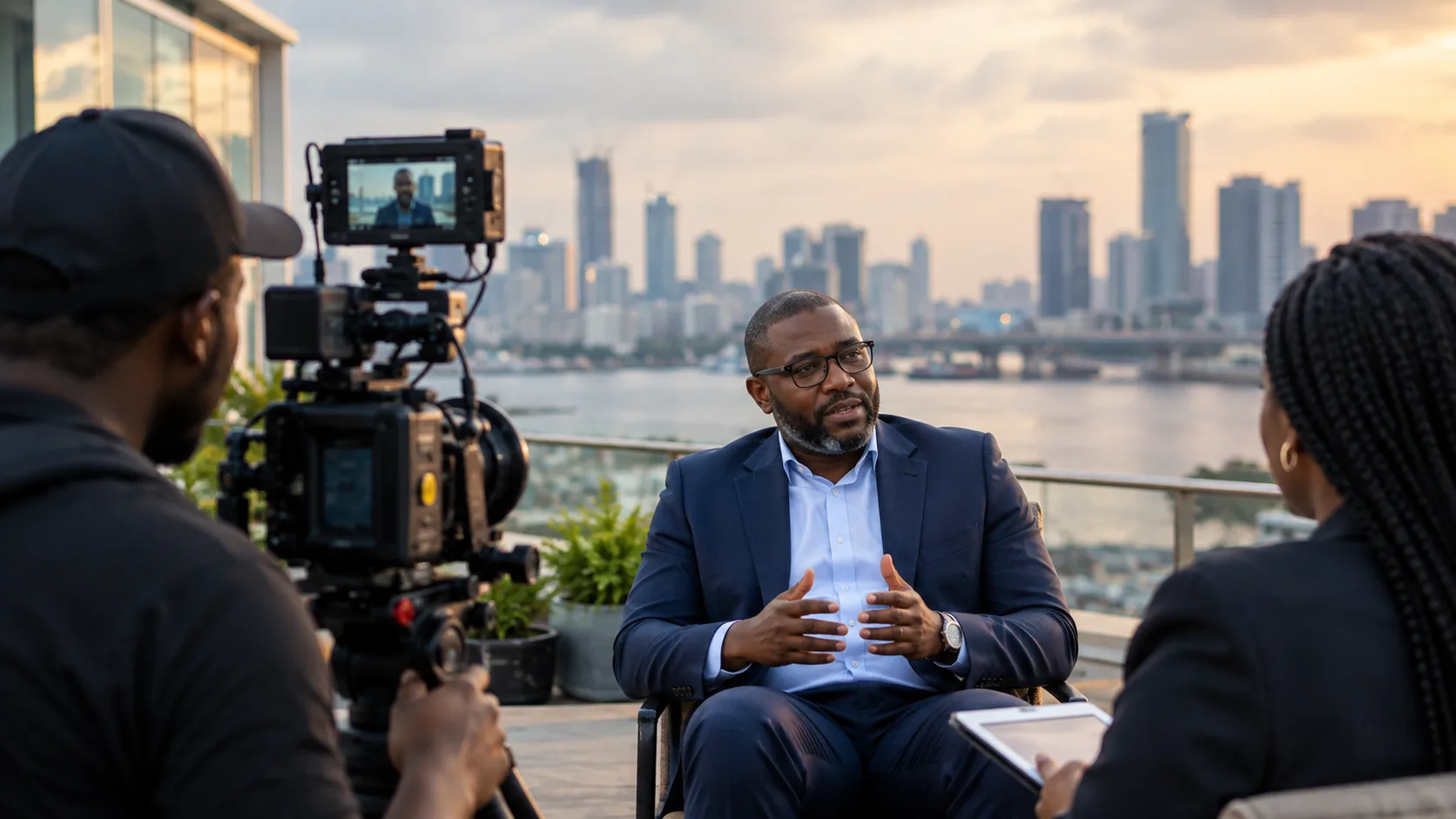
Executive interviews are often central to corporate films.
They give leadership an opportunity to explain the company directly and provide a human voice to the story.
But an interview can easily become a sequence of predictable corporate statements.
Questions such as "Tell us about your company" often produce answers that sound like the company's website.
A stronger interview approach explores the story behind the organization.
Why was the company established? What problem was it created to solve? What has changed since its early days? What challenges has the organization overcome? What does the company understand about its industry that others may not? What does the organization want to achieve next?
These questions create opportunities for genuine answers.
The role of the production team is not simply to place a camera in front of an executive.
It is to create the conditions for that executive to communicate something meaningful.
That requires preparation, directing, interview technique and an understanding of the overall story.
B-Roll Should Support the Message
Corporate videos often contain large amounts of B-roll.
Offices. Factories. Employees. Machines. Meetings. Products. Vehicles. Buildings.
These visuals are useful, but they should not exist simply because a corporate video is expected to contain them.
Every major visual should contribute something.
If an executive is discussing manufacturing capacity, the audience should see the manufacturing environment.
If the company is explaining a particular service, the visuals should help the audience understand that service.
If the film is discussing people and culture, the audience should see the people who represent that culture.
This creates a relationship between what the audience hears and what it sees.
When that relationship is strong, the video becomes easier to understand and more engaging to watch.
Cinematography Should Serve the Story
There is nothing wrong with cinematic corporate video.
In fact, professional cinematography can significantly improve how an organization is perceived.
Lighting, composition, camera movement, lenses, colour grading and production design all contribute to the visual identity of a film.
But visual style should have a purpose.
A dramatic camera movement may look impressive, but if it distracts from the person speaking, it may not improve the communication.
A heavily stylised colour grade may create a particular mood, but it may not be appropriate for an organization that requires a clean and straightforward corporate presentation.
The objective is not to make every corporate video look like a movie.
The objective is to create the right visual language for the organization and the message.
Good cinematography makes the story stronger.
It should not compete with it.
The Edit Is Where Communication Becomes Clear
Production captures the material.
Editing determines how that material is understood.
This is why post-production is far more than simply arranging clips in sequence.
The editor must determine what information matters, what should be removed, where the story should move faster, where an interview needs space, which visuals should support particular statements and how the entire film should progress.
A corporate video can have excellent footage and still become confusing in the edit.
Too many messages can compete for attention.
Important information may appear too late.
The strongest statement may be buried in the middle.
The opening may take too long to establish why the audience should continue watching.
Good editing solves these problems.
It creates structure.
It gives the audience a clear path through the story.
A Corporate Video Should Have a Clear Takeaway
When someone finishes watching your corporate video, what should they remember?
This is a simple question, but it is surprisingly important.
If the answer is "everything about our company," the message is probably too broad.
A stronger answer might be:
"We want potential clients to understand that we have the technical capability and infrastructure to handle large-scale projects."
Or:
"We want international partners to understand that we have the local expertise and operational capacity to work with global teams."
Or:
"We want customers to understand why our product is different."
That central takeaway can then influence the interviews, locations, visuals, script, graphics, music and editing.
It becomes the thread that holds the production together.
Professional Production Should Begin with the Business Objective
This is ultimately what separates a production exercise from a communication project.
A production company should not only ask:
How many cameras do we need?
It should also ask:
Who is this for?
What does the audience need to understand?
What is the most important message?
What evidence can we show rather than simply tell?
Where will the finished video be used?
What should the audience remember after watching it?
These questions influence everything that follows.
They affect the creative direction, interview structure, locations, production schedule, cinematography, sound, editing and final delivery.
The camera is important.
But the camera is not the strategy.
The Goal Is Not Just to Make the Company Look Good
A corporate video should represent an organization professionally, but looking professional is only the beginning.
The finished film should help the audience understand the organization.
It should communicate its capabilities, people, values, products, services, leadership or story in a way that is appropriate for the intended audience.
It should give viewers a reason to remember what they have seen.
And where appropriate, it should help move them toward the next step — whether that is starting a conversation, considering a partnership, learning more about the company or engaging with the organization.
That requires more than attractive footage.
It requires clear thinking before production, disciplined execution during filming and purposeful decisions throughout post-production.
Final Thoughts
The best corporate videos are not necessarily the ones with the most expensive cameras, the largest crews or the most elaborate visuals.
They are the ones where the production quality and the communication objective work together.
The audience knows what it is watching.
The story has direction.
The interviews reveal something meaningful.
The visuals support the message.
The editing creates clarity.
And by the end, the viewer understands something important about the organization that they did not understand before.
At Criptonx Studios, we approach corporate video production as both a creative and communication process. We work with organizations, corporate teams, executives and brands to develop films that combine structured storytelling, professional cinematography and purposeful production.
From company profile films and corporate documentaries to executive interviews, brand films and internal communication videos, the objective is the same: to create video that communicates clearly and represents the organization professionally.
Because a corporate video should not simply look professional.
It should communicate professionally.